
Get Drain Line Replacement
Drain line replacement services involve skilled local contractors fixing or replacing damaged sewer or drain pipes to prevent backups, leaks, and costly property damage.
Property owners considering drain line replacement often face practical concerns about maintaining the integrity and functionality of their plumbing systems. Whether dealing with persistent clogs, signs of deterioration, or planning for future upgrades, exploring options with local contractors can help ensure the work is handled efficiently and effectively. This process involves comparing different service providers in the area to find experienced professionals capable of addressing specific needs and project requirements.
By reviewing available local drain line replacement services, property owners can gather valuable information to inform their planning. Connecting with reputable local contractors allows for a clearer understanding of the scope of work involved and helps in making informed decisions about the best approach for their property. Continuing to explore these options can lead to finding the right professionals to handle the project with confidence.
- Drain Line Replacement - needed when a clogged or damaged drain line causes backups or persistent drainage issues.
- Broken or Cracked Drain Lines - required if tree roots or shifting soil have caused cracks or breaks in underground pipes.
- Old Drain Pipe Upgrades - necessary when aging pipes are prone to leaks, corrosion, or frequent blockages.
- Drain Line Repair - appropriate for addressing minor leaks, cracks, or joint issues without full replacement.
- Main Sewer Line Replacement - needed if there are persistent sewer backups or foul odors indicating significant pipe failure.
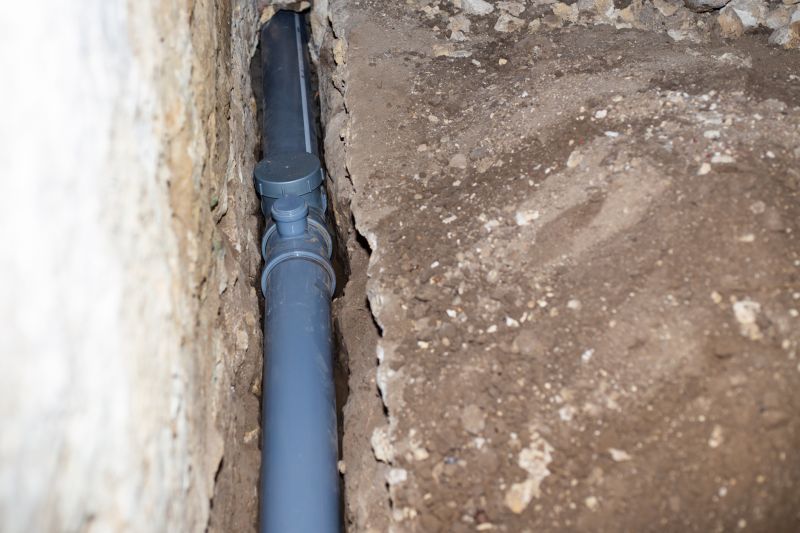
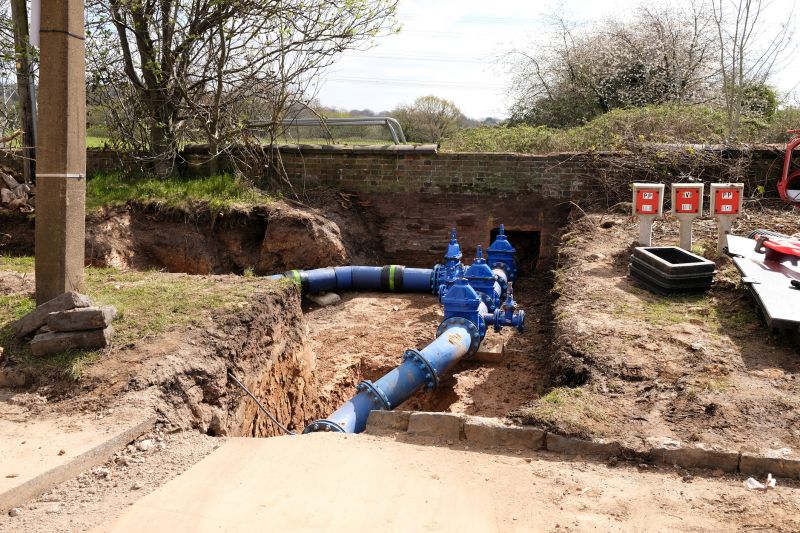
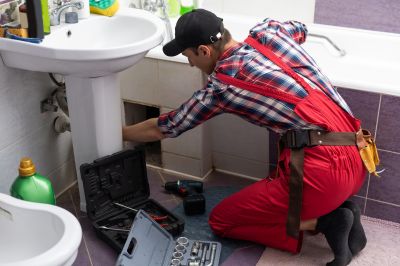
Drain line replacement services involve removing and replacing old or damaged underground pipes that carry wastewater away from a property. This process typically includes excavating the affected area, removing the faulty drain lines, and installing new piping that meets current standards. Skilled service providers ensure that the new drain lines are properly connected and securely installed to prevent future issues. Proper drain line replacement can help restore the efficient flow of wastewater and prevent potential plumbing failures that may lead to costly repairs.
This service is essential for addressing a variety of drainage problems, such as persistent clogs, slow drains, foul odors, or sewage backups. Over time, drain lines can deteriorate due to age, corrosion, or root intrusion, leading to leaks or blockages. Replacing these lines can eliminate recurring issues, improve the overall sanitation of a property, and reduce the risk of more serious plumbing emergencies. Homeowners experiencing frequent drain problems or noticing signs of pipe failure should consider consulting local contractors about drain line replacement.
Drain line replacement is often necessary for residential properties, including single-family homes, as well as multi-unit buildings and commercial properties. Older homes with outdated or damaged piping are common candidates for this service, especially if they show signs of frequent plumbing issues. Commercial properties that rely on efficient waste removal systems may also need drain line replacement to maintain proper sanitation and operational flow. In any property where drain problems persist despite routine maintenance, a professional assessment can determine if replacement is the best solution.
By working with qualified local service providers, property owners can ensure that drain line replacement is handled efficiently and correctly. These professionals have experience with different types of piping systems and property layouts, making them well-equipped to manage the complexities of underground pipe replacement. Whether dealing with minor repairs or complete overhauls, connecting with local contractors can help find the right solution for each property’s specific needs. This service can be a practical step toward maintaining a functional, trouble-free plumbing system.
The overview below groups typical Drain Line Replacement projects into broad ranges so you can see how smaller, mid-sized, and larger jobs often compare in your area.
In many markets, a large share of routine jobs stays in the lower and middle ranges, while only a smaller percentage of projects moves into the highest bands when the work is more complex or site conditions are harder than average.
Smaller Repairs - Typical costs for minor drain line repairs generally range from $250 to $600. Many routine fixes fall within this middle range, depending on the extent of the damage and accessibility. Fewer projects reach the higher end of this spectrum.
Partial Replacement - When only a section of the drain line needs replacement, costs usually fall between $1,000 and $3,000. The price varies based on the length of pipe involved and site conditions, with most projects in this range.
Full Drain Line Replacement - Complete replacement of a drain line can cost from $3,500 to $7,000 or more. Larger, more complex jobs tend to be at the higher end, especially in difficult-to-access areas or with extensive piping.
Complex or Commercial Projects - Larger-scale or commercial drain line replacements can reach $10,000 or higher. These projects often involve specialized equipment and longer installation times, making them less common but necessary for certain property types.
Actual totals will depend on details like access to the work area, the scope of the project, and the materials selected, so use these as general starting points rather than exact figures.
Sewer Line Repairs - involve diagnosing and fixing underground piping systems, requiring similar planning and excavation skills as drain line replacement.
Storm Drain Installation - includes installing and maintaining drainage systems that manage surface water, utilizing comparable tools and site assessments.
Septic System Services - involve installing, replacing, or repairing septic lines, which demand knowledge of underground piping and proper planning.
Pipe Leak Detection - focuses on identifying leaks in underground piping, requiring specialized equipment and careful site evaluation akin to drain line work.
Foundation Drainage Solutions - involve installing drainage systems around foundations to prevent water intrusion, sharing similar excavation and piping skills.
Kitchen and Bathroom Plumbing - includes replacing or repairing interior drain and supply lines, requiring familiarity with plumbing layout and pipe installation techniques.
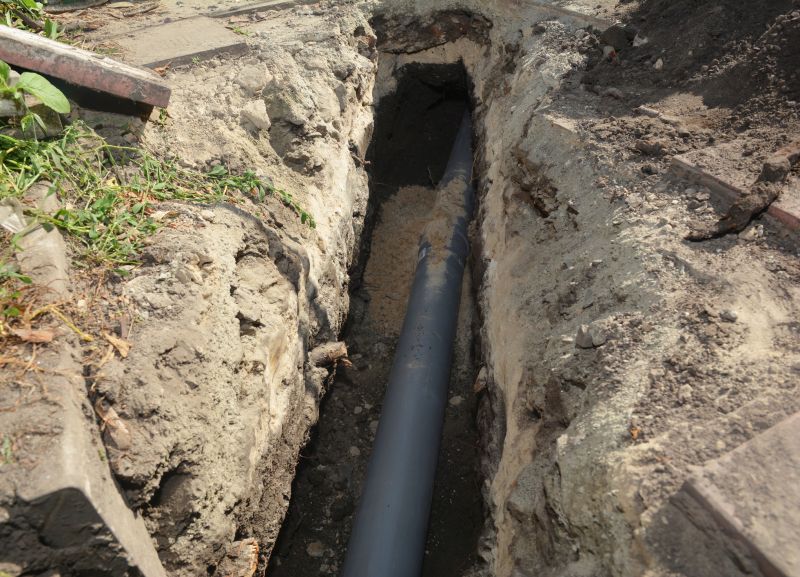
When comparing service providers for drain line replacement, it’s important to consider their experience with similar projects. Homeowners should look for local contractors who have a proven track record of handling drain line replacements or related plumbing tasks. Asking about the number of similar jobs completed can provide insight into their familiarity with the specific challenges involved, such as working within existing structures or navigating tight spaces. An experienced professional is more likely to understand the nuances of the work, which can contribute to a smoother process and a reliable outcome.
Clear, written expectations are essential when evaluating potential service providers. Homeowners should seek detailed estimates or proposals that outline the scope of work, materials to be used, and any warranties or guarantees offered. Having this information in writing helps prevent misunderstandings and ensures everyone is aligned on what will be done. Reputable local contractors will be transparent about their processes and provide documentation that clarifies the project’s details, enabling homeowners to make informed decisions based on consistent and comprehensive information.
Good communication and reputable references are key factors in selecting a dependable service provider. Homeowners should ask for references from previous clients who had similar work done and inquire about their experiences. Additionally, responsive and clear communication from the contractor during the initial inquiry can indicate their professionalism and commitment to customer service. Service providers who are easy to reach, willing to answer questions, and transparent about their work history are more likely to deliver a positive experience and a successful drain line replacement.
Property owners use Drain Line Replacement services for practical projects around their homes and businesses. This guide focuses on everyday jobs and straightforward project options.
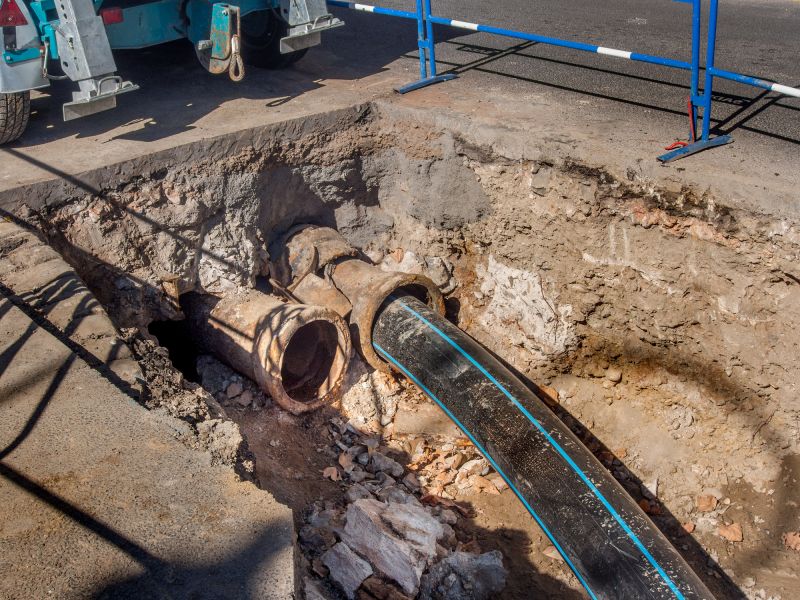
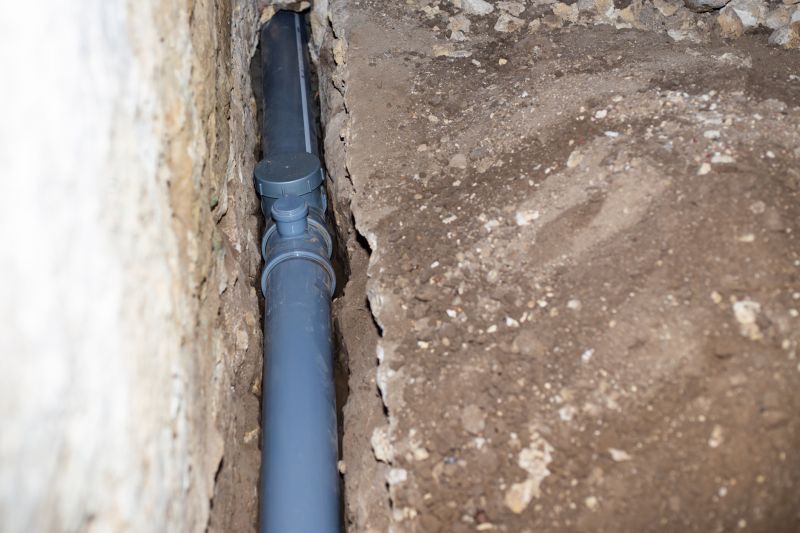
Drain line replacement services are often needed when property owners notice persistent clogs, slow drainage, or foul odors coming from sinks, toilets, or outdoor drains. These signs can indicate that the existing pipes are damaged, corroded, or blocked, which can lead to more serious plumbing issues if not addressed. Local contractors are available to assess the situation, provide the necessary repairs, and replace damaged drain lines to restore proper flow and prevent future problems.
Homeowners may seek drain line replacement after experiencing backups during heavy rain, noticing sewage odors, or seeing water pooling around their property’s foundation. These issues can be caused by cracked, collapsed, or root-invaded pipes that require professional attention. Service providers in the area can handle these projects efficiently, offering solutions tailored to the specific needs of each property to ensure reliable drainage and peace of mind.
What is drain line replacement? Drain line replacement involves removing and installing new pipes that carry wastewater away from a property to ensure proper drainage and prevent backups.
When should drain lines be replaced? Replacement may be needed if there are persistent clogs, leaks, or signs of severe damage that cannot be repaired through standard cleaning or repairs.
What types of drain lines can local contractors replace? Contractors can replace various drain lines, including main sewer lines, underground pipes, and interior drain pipes, depending on the property's needs.
How do professionals handle drain line replacement? Local service providers typically assess the condition of existing pipes, then use appropriate methods such as trenchless or traditional replacement techniques to install new lines.
What are common signs that indicate drain line replacement might be necessary? Signs include frequent backups, foul odors, slow drains, or visible damage to pipes, which suggest that replacement could be the best solution.
Identify signs of drain line issues - property owners can monitor for slow drains, backups, or foul odors to determine when drain line replacement might be needed.
Plan for underground pipe replacement - homeowners can consider replacing aging or damaged drain lines to prevent future blockages and water damage.
Improve drainage around the property - replacing drain lines can help redirect water away from foundations and prevent pooling or erosion.
Upgrade to modern piping materials - property owners may choose to replace old pipes with new, durable materials for better reliability and performance.
If you are thinking about Drain Line Replacement for a property, this guide is meant to help you understand the work, the typical project types, and how different options might fit your plans.
When you are ready, you can use the quote form on this page to share a few details about your project. From there, local pros can review the basics and respond with options that match what you have in mind.